1. Safety and scope
The team explains what it can handle and which parts, like testing a site where drugs were made, need a different plan.
Surrey, ND · Ward County
Unknown powder, syringes and stained carpet in a Surrey home all call for the same step. Stay out, keep others away and call (877) 812-4220 for removal, cleaning and disposal.
If anyone is in danger, call 911 first. For a suicide crisis, call or text 988.
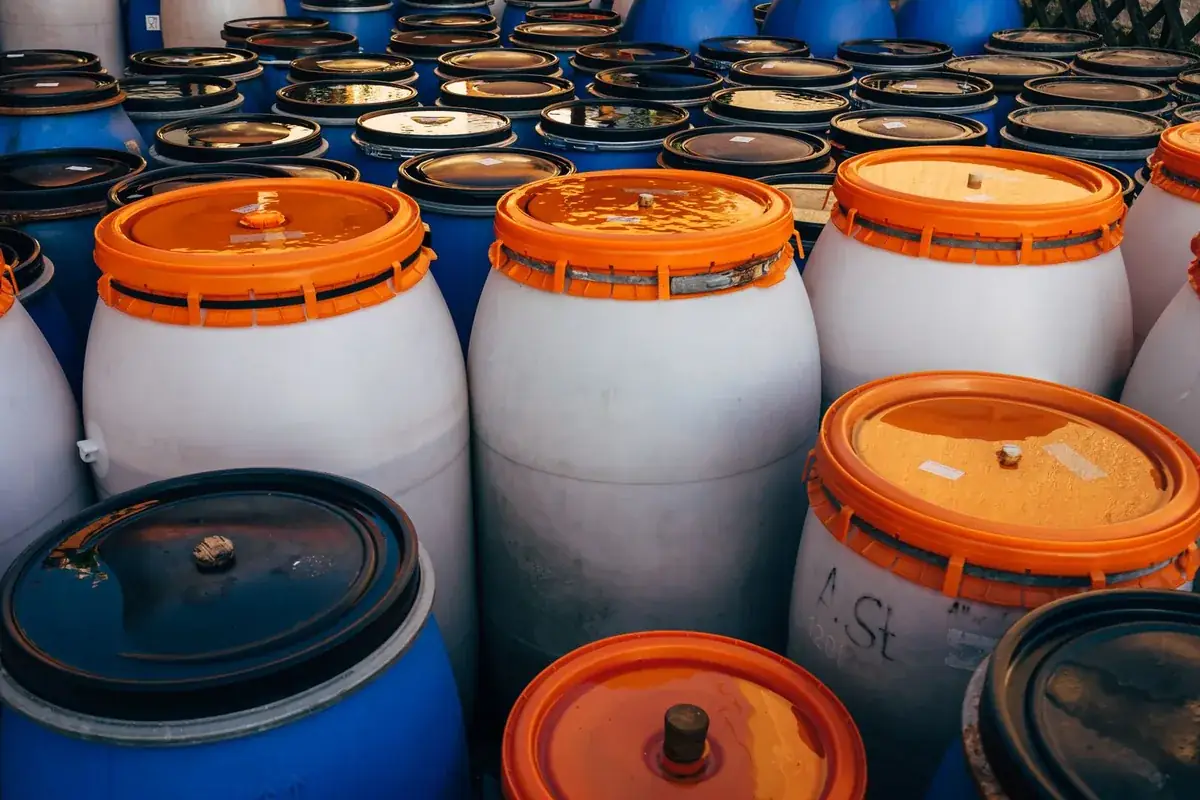
Drug use cleanup is different from drug lab cleanup. It focuses on items and residue left by use, while a site where drugs were made has its own testing and clearance steps.
You do not have to remove paraphernalia and residue on your own in Surrey or anywhere in Ward County. Call Surrey Biohazard Cleanup Help for biohazard cleanup crews. Protective gear, sealed containers and EPA-registered disinfectants are part of every job.
Housing in Ward County is about 12% vacant. An empty building and an occupied one both need a careful search for hidden items. After a needle stick or exposure to an unknown substance, get medical care. Trinity Hospitals in Minot is the closest emergency room to Surrey.
What drug paraphernalia cleanup covers:
The team explains what it can handle and which parts, like testing a site where drugs were made, need a different plan.
Crews put on gloves, eye protection and respirators when needed, then search every room for sharps and other items.
Hospital-grade disinfectants go on hard surfaces. Odor treatment follows for lingering smells.
Surfaces are disinfected, odors are treated, and a last walk-through confirms the space is ready.
The cost of drug paraphernalia cleanup in Surrey, ND depends on the amount of material, how it is packed and how it is hauled.
Access and travel matter. A unit with stairs, locked areas or a long drive takes more time to serve.
| Type of job | Typical range |
|---|
Estimates only, not a quote. Sources: . Price drivers include amount of material, whether residue is present, surfaces affected, waste disposal. Call (877) 812-4220 to talk through the job.
A careful cleanup removes the items and cleans the surfaces it covers. Testing is a separate step, and rules vary by place. Ask the team what it did and did not check, and ask the local health department what applies where you live.
No. This page explains how drug paraphernalia cleanup works. It is not medical, legal or insurance advice. For symptoms, contact a doctor or Poison Control, and for legal questions, ask an attorney.
Vehicles can hold syringes, residue and odor in seats, carpets and vents. Ask whether the team cleans vehicles and how soft materials are treated. Crews use the same protective gear and sealed containers as in a building.
Wash the area with soap and water and get medical care right away. Call 911 in an emergency. Poison Control can answer exposure questions. Tell the doctor what happened and where the needle was found, if you know.
It can. Once soiled items are removed, a team can treat lingering odor in the air and on surfaces. Ask what methods the team uses and whether odor treatment is part of the plan or a separate step.
Yes. A property owner can call a cleanup team to clear and clean a unit after a tenant leaves. Lease terms and local law decide who pays. Keep photos and records, and ask the team what documentation it can provide.
If anyone is hurt or unresponsive, call 911 first, then call for cleanup.
Call (877) 812-4220